RitMoZ Training

Rhythm and Movement Music Training
A Music Training for Children with Dyslexia

ritmoz training 2
ritmoz training 1
dyslexia

Dyslexia

Dyslexia is a common developmental language disorder. A child with dyslexia has mainly difficulties with reading and spelling which can lead to poor school performance as well as low self-esteem.

musical instuments

Music

Music and speech share similar characteristics, rhythm and melody for example; they also share common links in our brain.
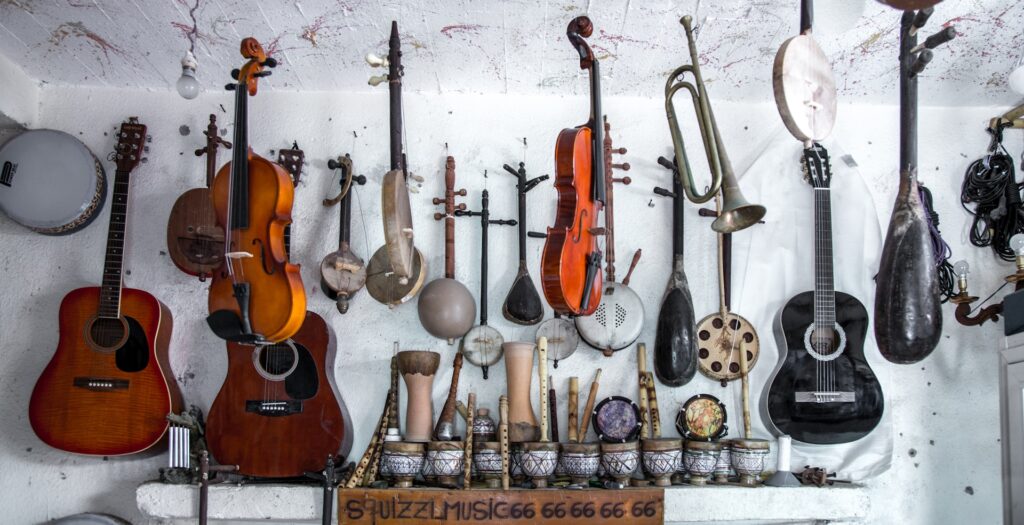
Music can benefit speech and reading disorders, such as dyslexia. Many music trainings have been created for helping children with dyslexia.
Our team has developed a systematic music training programme - RitMoZ Training- for children with dyslexia.

Brain Research

We use both behavioral (3DM-H) and electroencephalography (EEG) methods to test how effective the music training is.
Both methods involve simple and safe procedures.

brain reasearch

Music Activities

RitMoZ Training consists of several music activities.
The training is a custom-made music training programme to fit well with the children's needs.
It is a training which is fun as well as creative.

ritmoz foglalkozas 1

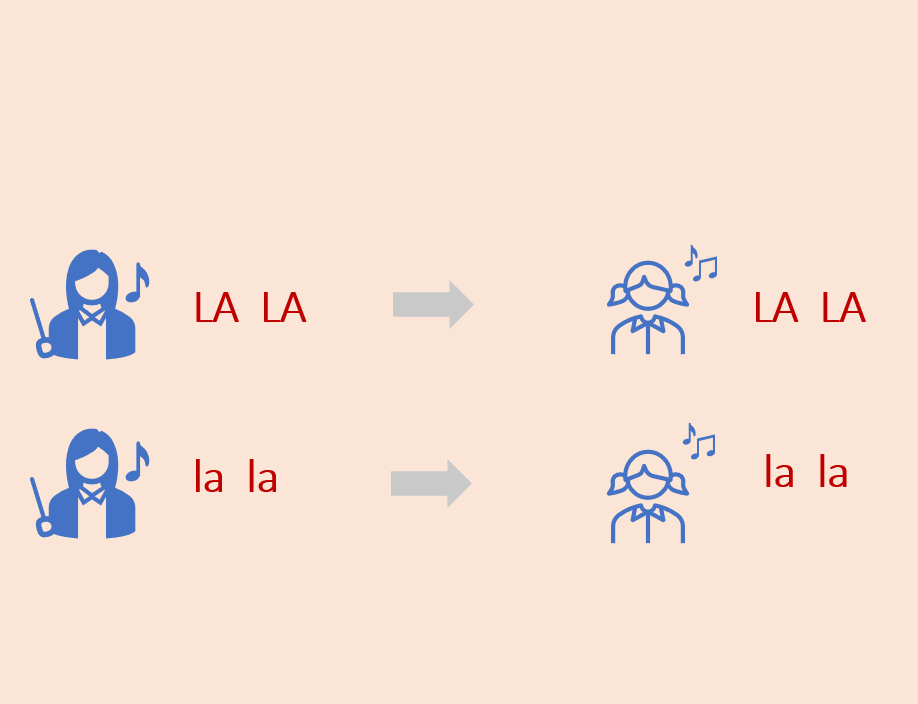
Matching Activity

The music teacher sing syllables and the children repeat them in the same way as the teacher did.
For example, if the teacher sings the syllable LA in a loud manner, then the children will sing it loudly. If the teacher sings syllable LA softly, the children have to do so as well.

ritmoz foglalkozas 2

Nursery Rhymes

For the purpose of the activity, we will apply a music learning programme which focuses on body movements.

ritmoz foglalkozas 3

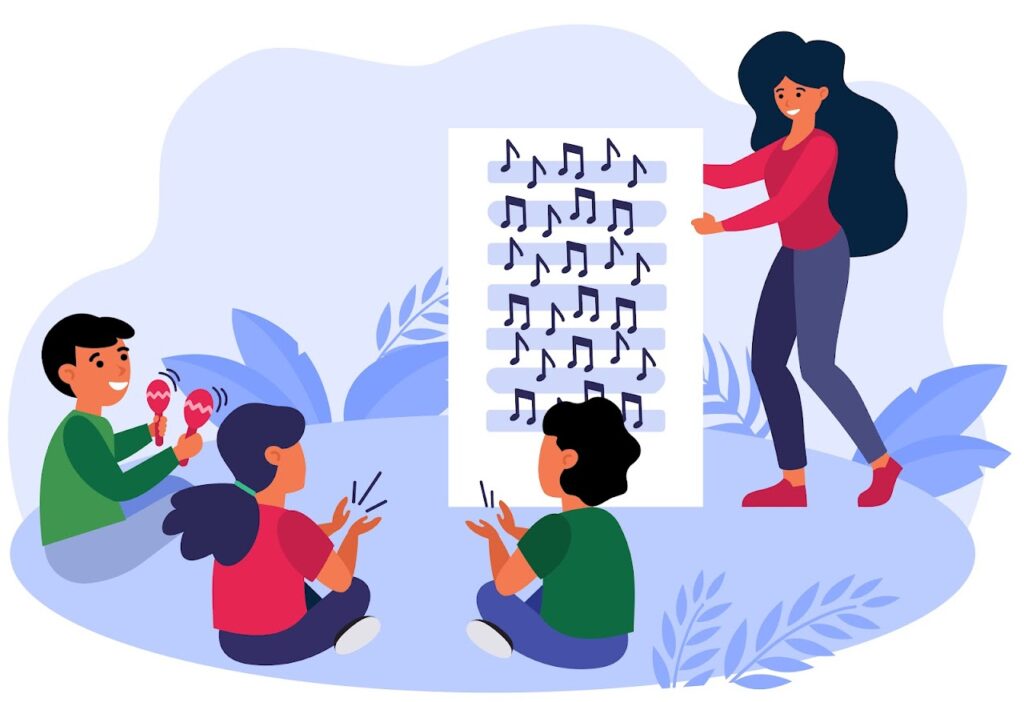
Music Reading

The music teacher will perform a specific rhythmic phrase by clapping their hands. The children have to do the same. In this activity, we will also use Hungarian childrens' songs.

ritmoz foglalkozas 4

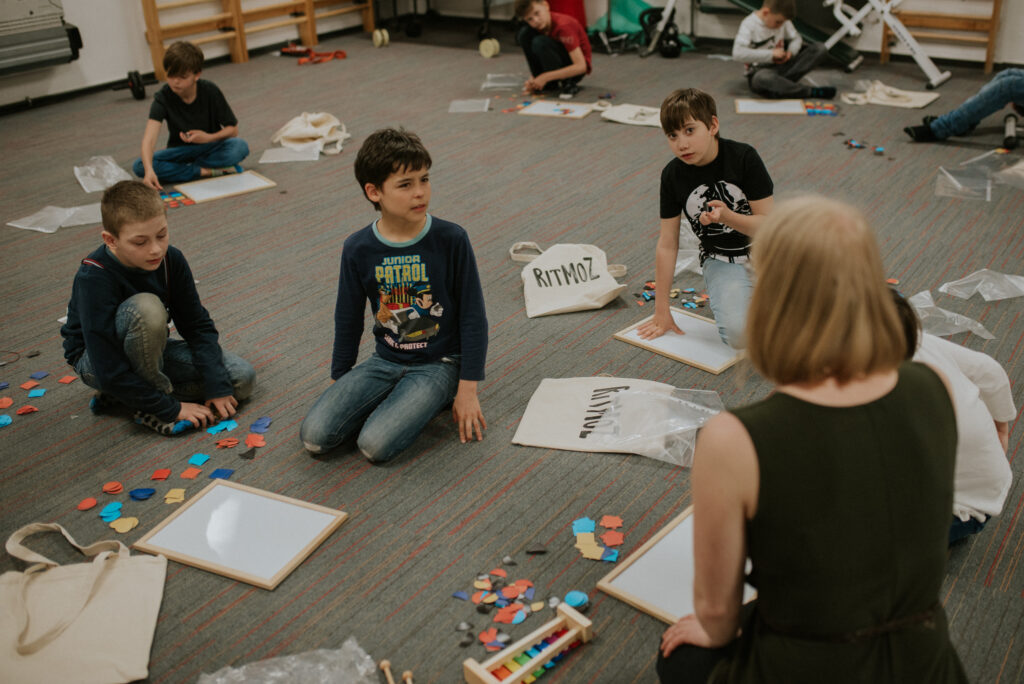
Music Shapes

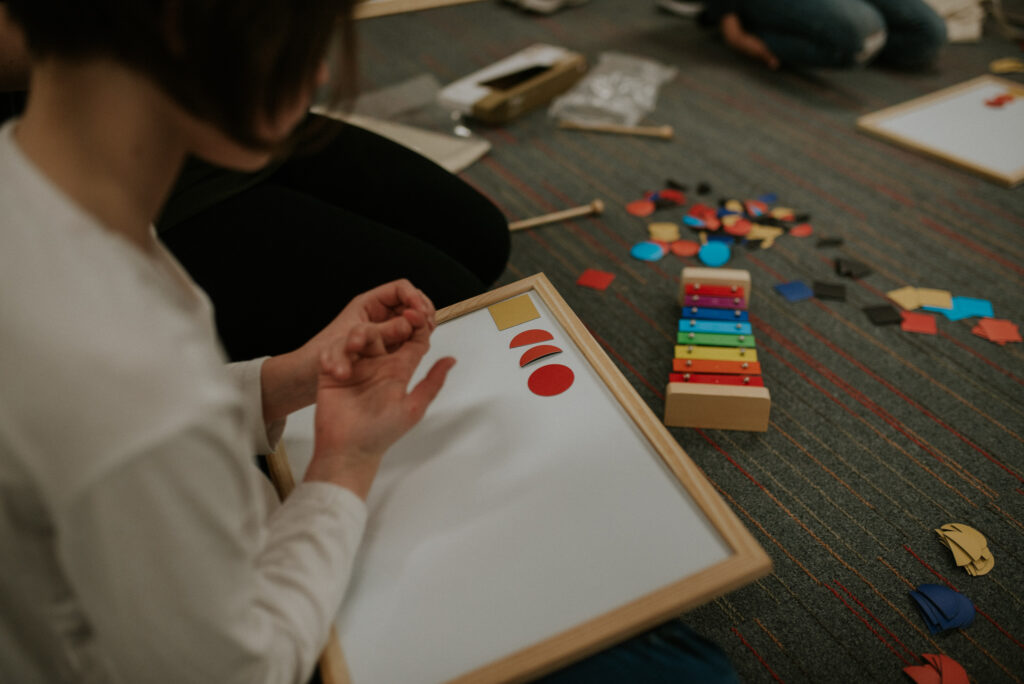
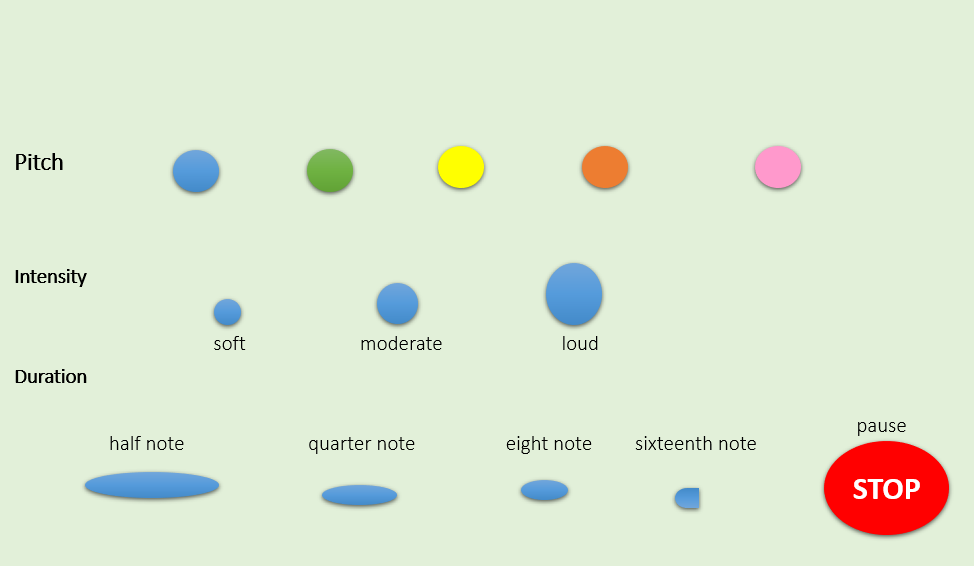
In this activity, we will have coloured shapes and there will be 3 groups of them.
Each group represents a different element of speech, for example, pitch (circles with different colours), intensity (different circle sizes) and duration (circles with different length).
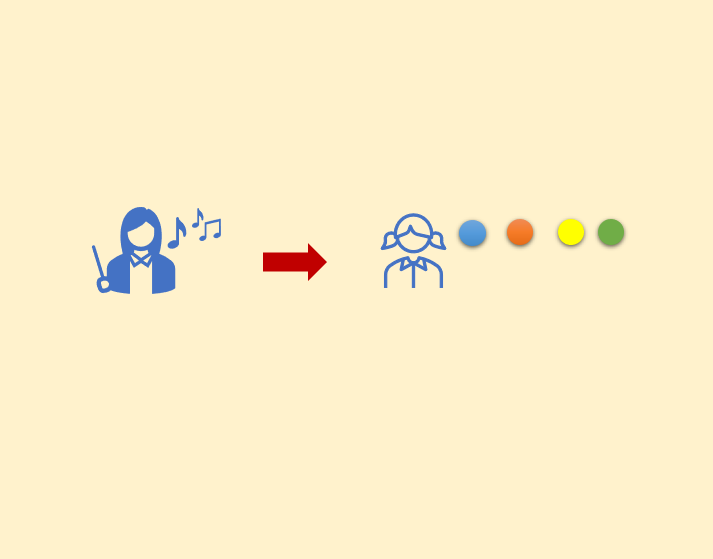
The music teacher will sing a short music melody and the children have to choose the correct music shapes and put them in order.

ritmoz foglalkozas 5

Music Writing

Here, the music teacher performs a melody by playing the piano. The children have to draw the correct shapes according to what they heard.
For the purpose of the activity we will use music shapes.

ritmoz foglalkozas 6

Music Reading

Children are given music shapes drawn with specific order and size and they symbolize a music melody.
The children have to recognise what each shape represents in music/speech and then, play this melody by using a classroom percussion.
For the purpose of the activity we will use music shapes.

business management vector

Aims of RitMoZ Training

  • RitMoZ Training is a training with activities created specifically for the improvement of challenges that dylexia brings: letter recognition, spelling and reading, for instance.
  • The main concept of RitMoZ Training is embodiment, which means the use of our body movements (like clapping or jumping) through music (MoZ from the word 'mozgas' which is movement in Hungarian).
  • Our central aim is to offer a music training which not only does benefit children with dyslexia, but it is also enjoyable for the children to do.
children on clock template illustration

Timeline of RitMoZ Training

  • RitMoZ Training is a training which is spread in 3 months.
  • The duration of one music training session is 45 minutes.
  • A tréning heti 2 alkalommal lesz zajlik.

Csapatunk

A RitMoZ tréninget nemzetközi kutatócsoportunk fejlesztette. Nagy tapasztalattal rendelkezünk a diszlexia kutatások, olvasási nehézségek és zenepszichológia területén.
A RitMoZ tréninget kialakítása során az volt a célunk, hogy egy hatékony zenei tréninget hozzunk létre, amelyet magyar diszlexiás gyermekek fejlesztésére szeretnénk használni.
Ez a zenei tréning a Marie-Curie szervezet által finanszírozott Neo-PRISM-C projekt része volt.

hf portre

Dr. Honbolygó Ferenc

Kutatási érdeklődésének középpontjában az áll, hogy mihez kezd az emberi agy a beszéddel és a zenével. Kutatásai során az emberi agy működésének vizsgálatára az eseményhez kötött agyi potenciálok és az fMRI módszereket alkalmazza. Több nemzetközi és hazai kutatási pályázatban vett részt, és 40 feletti tudományos cikket, valamint számos magyar nyelvű könyvfejezetet publikált.

marianna

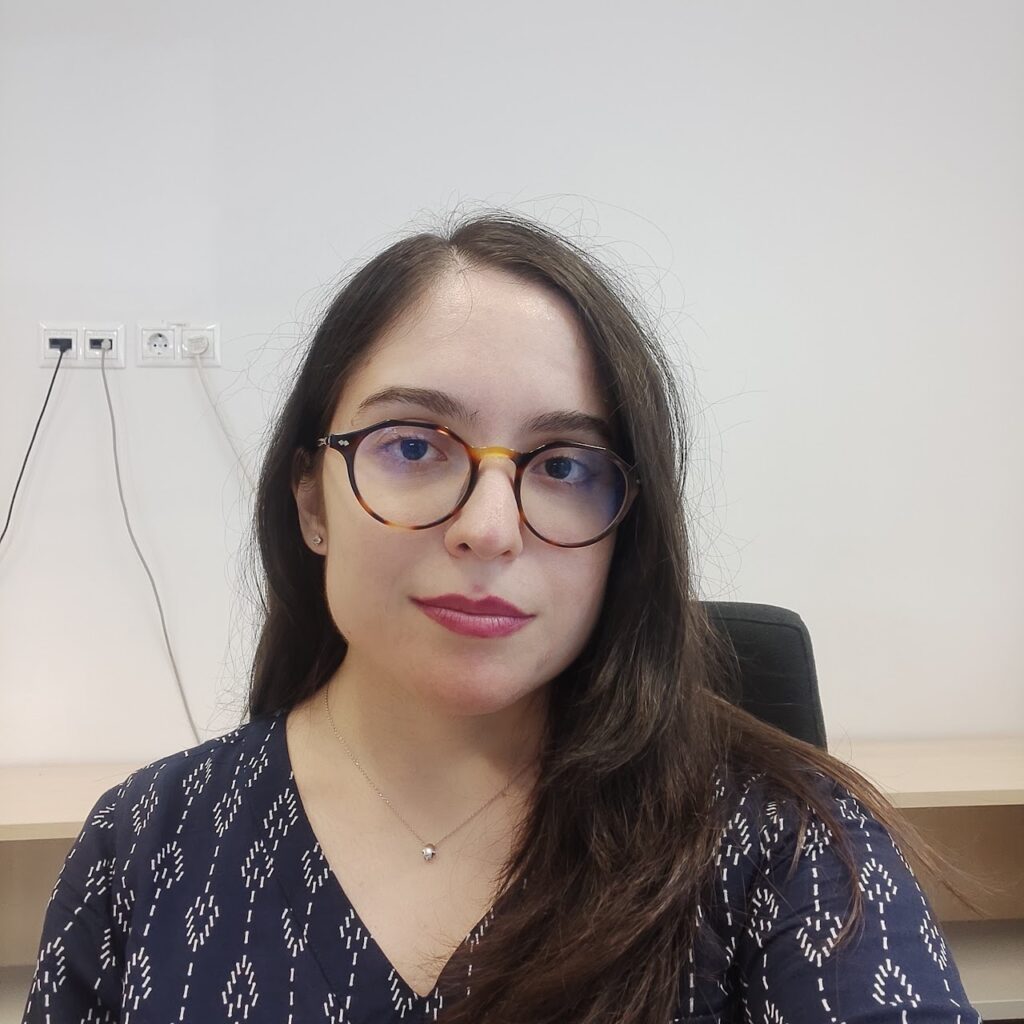
Maria Ioanna Zavogianni

Maria Ioanna Zavogianni egy magán zenei egyetemen szerezte meg a diplomáját 2015-ben, Athénban, zongora és klasszikus zene szakon. BA képzését 2017-ben, az athéni egyetemen végezte el nyelvészetből. MSc képzését az EMCL+ program keretein belül klinikai nyelvészet szakon végezte a Gröningen Egyetemen Hollandiában, a Potsdam Egyetemen Németországban, illetve a Kelet Finnországi Egyetemen. A projekt során fiatal kutatóként dolgozott a HUN-REN Természettudományi Kutatóközpontban, és PhD hallgató volt a veszprémi a Pannon Egyetem Többnyelvűségi Nyelvtudományi Doktori Iskolájában. Kutatási területe a diszlexia fejlesztési és mérési lehetőségei, a zeneterápia és zenei kogníció.

maja

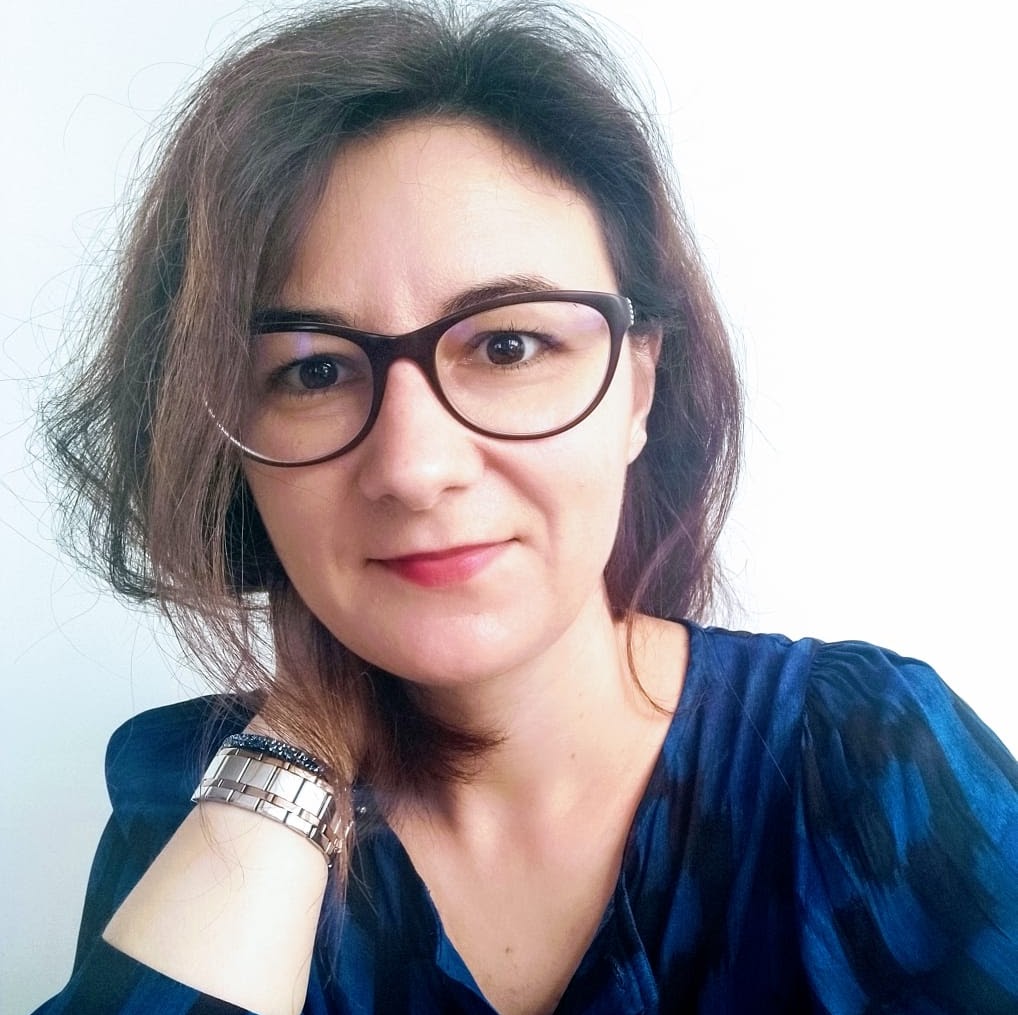
Dr. Maja Kelić

Dr. Maja Kelić logopédus, a Rijeka Egyetemen dolgozik mint egyetemi adjunktus, ahol pszicholingvisztikát és beszéd és olvasási zavarokat oktat. Több, mint 10 év klinikai tapasztalattal rendelkezik a diszlexia mérése és kezelése területén. A PhD fokozatát a Zágrábi Egyetemen nyelv és kognitív idegtudomány területén szerezte 2017-ben. Kutatásait a diszlexia és más nyelvi és olvasási zavarokban található fonológiai fejlődés és fonológiai zavarok területén végzi, illetve a különböző intervenciós programok értékelésén, valamint a klinikai gyakorlat elméleti alapjain dolgozik. Több országos és nemzetközi kutatási projektben részt vett, 11 tudományos publikáció fűzödik a nevéhez, ezenkívül néhány könyvfejezet és gyakorlati kézikönyv írása is.

Scroll to Top